
Moving away from home is full of new experiences, from being in a new town or city and living with people you’re not related to, to managing your own money for the first time. Between student loans, rent, groceries, study costs, and everything else that goes with having an adult life, it can be really easy to overspend and end up with too little money at the end of the month.
The good news is that budgeting doesn’t have to be complicated. You don’t need to be a maths expert, give up ever doing anything fun with your friends, or relegate yourself to eating instant noodles for dinner 5 nights a week. Budgeting is making a plan for your money. It helps you understand how much money comes in, how much needs to go out, and how much you can comfortably spend.
In this post, we’ll take a quick look at three budgeting methods you can try at university: cash stuffing, tracker budgeting, and end-of-month review. We’ll also include a sample student budget to help you get started.
Regardless of which budgeting method you choose (or if it’s a mix of multiple methods), you need to understand the main things: what’s coming in and what essential costs need to be covered each month.
Income may come from a few different sources:
Student loans
Scholarships or bursaries
Wages from part-time work
Savings (if you have any)
Contributions from family (if this is possible)
It’s important to understand that not all this money comes in regularly or at the same time every month. Student loans might come three times a year (via Student Finance) or monthly (via SAAS). Scholarships and bursaries are often released once per year. Wages might be stable, depending on how stable your hours are at your job. Savings will be in your account, but you’ll have to make sure not to spend it all up front. Finally, any contributions your family can make might be regular or might come in drips and drabs. You’ll need to figure out how to make your loans, scholarships, and savings last as long as you need them to.
Next, think about all the expenses you really need to cover. This can include:
Rent
Travel
Food
Bills (utilities, mobile phone, etc)
Study materials
Subscriptions
Then, add in your flexible spending:
Clothes
Eating out
Hobbies
Entertainment/Going out with friends
You also want to include irregular expenses. These can include:
Birthdays
Holiday travel
Replacing broken glasses/phone/laptop/etc
Don’t forget to include savings in your plan! If you don’t plan to save money you’ll find it’s really easy to spend everything every month and have nothing left for unexpected emergencies.
We recommend breaking your budget down into weekly or monthly timeframes, though it’s important to remember that months can vary in length, so you need to make sure that your plan will cover all 31 days of the long months.
Budgeting Methods
There is no one perfect method of budgeting that works for everyone. Different approaches work for different people, and some even combine attributes from multiple approaches. The important thing is to find what works best for you.
Cash Stuffing: Give your money a job
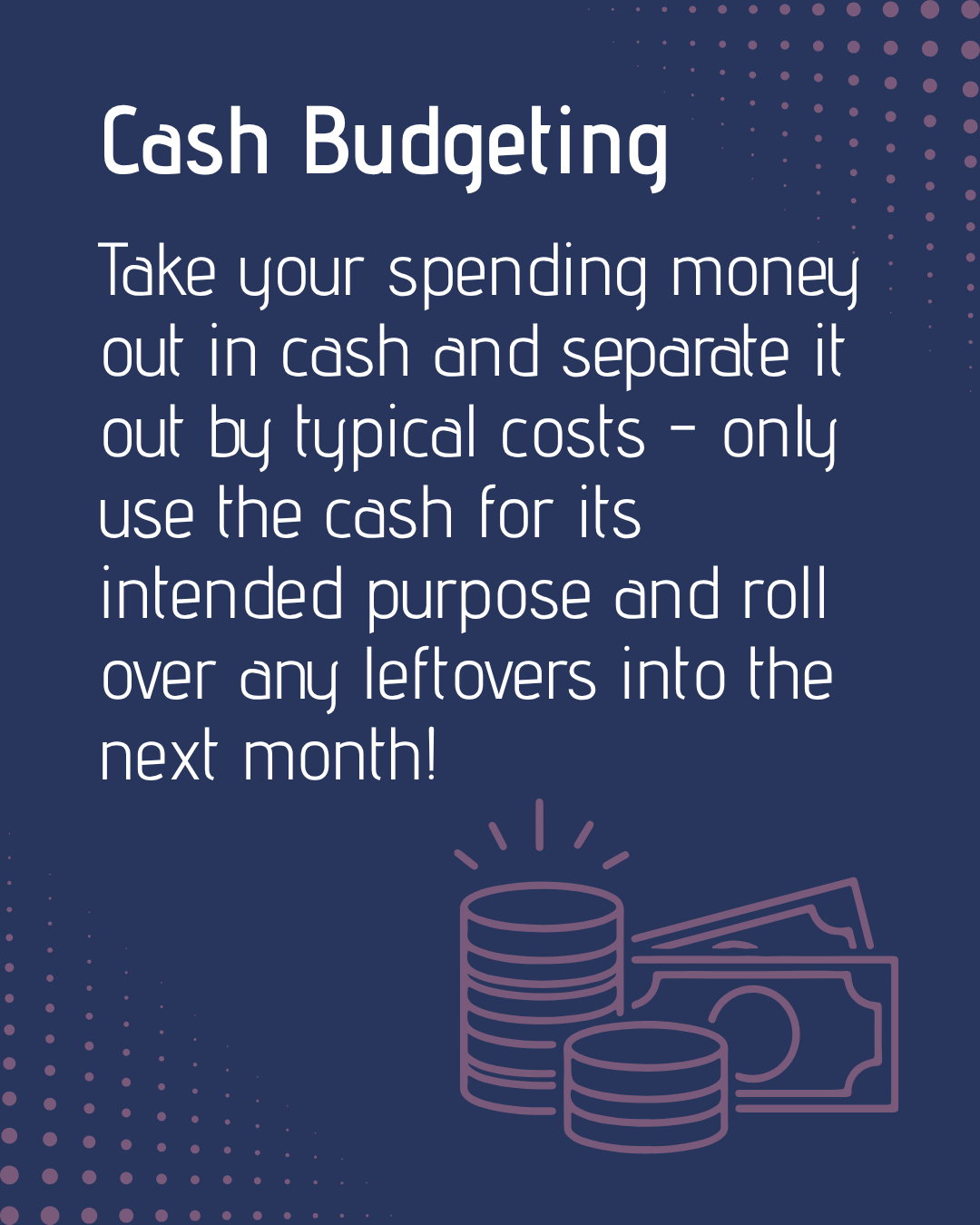
This is a method where you divide your money into different categories and allocate a specific amount to each one. Traditionally, this would have you put the money for each category in a different labelled envelope, though you can often do this digitally in your bank app via ‘pots’. This means you’ll have a different pot for groceries, travel, bills, eating out, etc. Once you spend all the money in that pot, it’s gone for the week or month (depending on the timeframe your budget works to).
This method works because it allows you to physically (or digitally) see how much money you have left, making it easier to recognise when you need to slow your spending down.
Why it works for students: Tangible spending limits can be really helpful if you find yourself making a lot of small purchases. These can add up much more quickly than you realise. The important thing is to decide how much you can spend before you start spending it.
Tracker Budgeting: Follow the Money
If you prefer to understand exactly where your money goes, Tracker Budgeting might be a better fit. This method involves recording your income and expenses and tracking them as you spend. You can use a spreadsheet, a budgeting app, a notebook, or even a simple list on your phone.
To use this method, start by writing down your planned spending for each category. As you make purchases or spend money, you record it. This helps you identify differences in your expectations vs. reality. It allows you to course correct your spending habits mid-month to ensure you don’t stray too far from your budget.
Why it works for students: Recognising spending patterns helps you make conscious decisions about your spending behaviours. You might discover that you spend more than expected on takeaway meals, subscriptions, or travel. You might also find that you’re spending less than you planned in other areas. This isn’t about judging yourself. It’s about understanding your habits so you can make informed decisions.
End-of-Month Review: Learn from Your Spending
The third method is to review your finances at the end of each month. If trying to keep up with spending throughout the month is too much, this method of reviewing your spending might be a good fit. It allows you to look back at what worked, what didn’t, and make adjustments for the next month.
To use this method, sit down with your bank statement at the end of the month and tally how much you spent in different categories. Based on this information, you can make a planned budget for the following month. This is helpful because your budget is based on your own actual spending data. In subsequent months, you can review how well you kept to your budget and make adjustments for the following month. If you spend too much in one category, it doesn’t necessarily mean you failed. It might mean you need to adjust your budget. However, you can’t go over in every category every month or you’ll quickly run out of money. If you consistently underspend in a category, it might mean you can increase the amount you put into savings or move it to another category that could use more funds.
Why it works for students: Reviewing your actual spending rather than what you think your spending should be, can help you build a realistic and achievable budget. It enables you to recognise progress, for example, paying all your bills on time, keeping within your budget, or building your savings.
Our Sample Budget
Getting started with your own budget can be difficult, so we have a sample budget with different categories that you might have as well. This sample budget is for a fictional student we’ll call Alex.
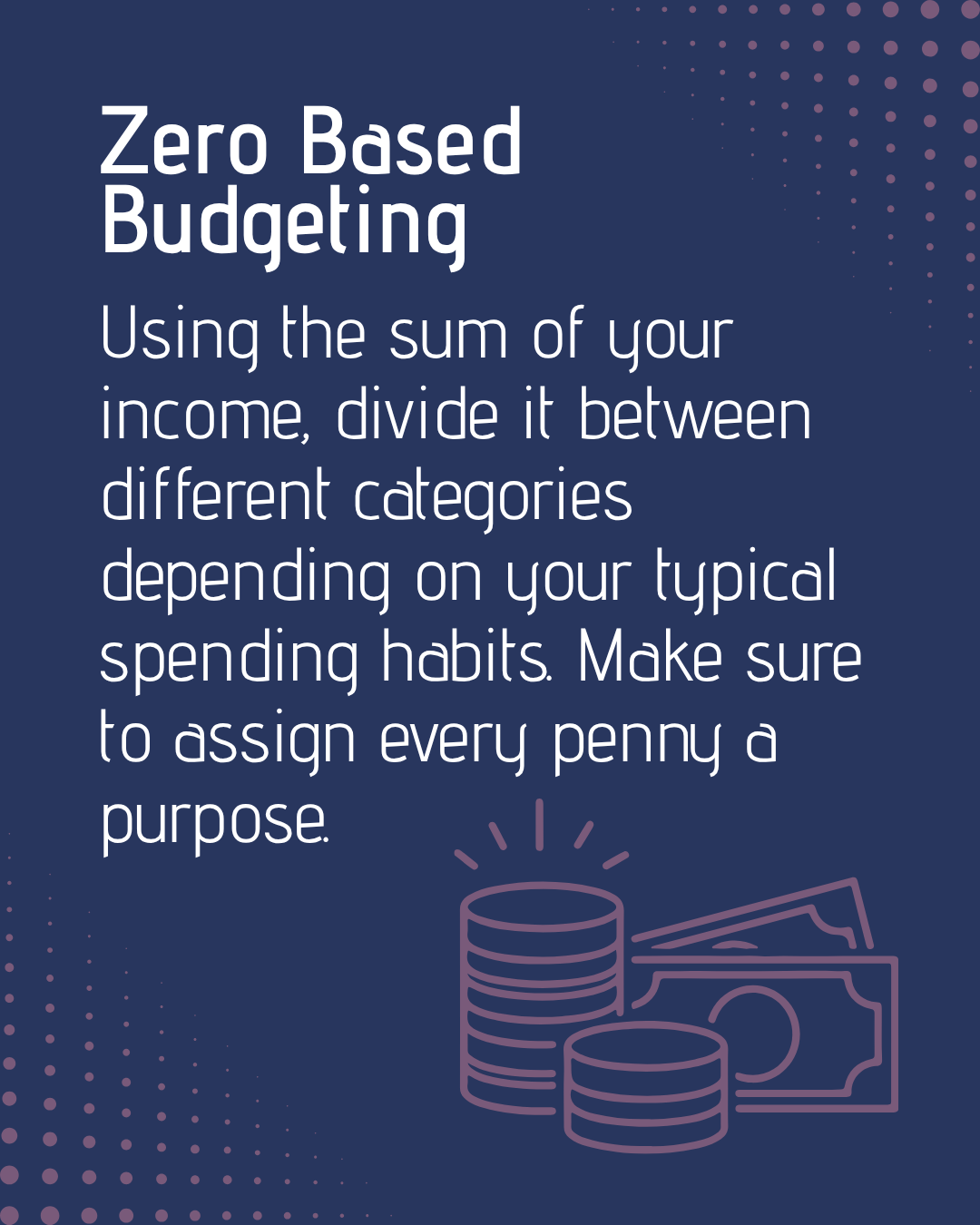
Alex has the following money coming in each month:
· £711 from SAAS
· £406 from wages (minimum wage for four 8-hour shifts)
· Total: £1,117
She has the following expenses:
· £550 – Rent
· £75 – Monthly bus pass
· £200 – Groceries
· £70 – Bills
· £35 – Subscriptions
· £70 – Going out with friends
· £35 – Clothes
· £25 – Takeaways
· £15 – Gifts
· £42 – Savings
· Total: £1,117
Alex’s study costs aren’t regular costs, but she covers these from her regular savings. She has allocated all of her income to different cost categories or to savings. If she decides that this isn’t enough money to get her through the month, she can look at cutting back on things like subscriptions and takeaways or can look at increasing the number of hours at her part-time job.
What if your budget doesn’t balance?
Sometimes, even with careful planning, there simply isn’t enough money coming in to cover essential expenses. If you’re struggling financially at university, remember that the problem isn’t necessarily poor budgeting. A budget can help you understand your situation, but it cannot solve a financial shortfall on its own. If you need financial help you can:
Look for bursaries, scholarships, or hardship funding that can help
Lower your grocery bill by using local food pantries and/or pay-as-you-can community meals
Lower household/clothing expenses by participating in clothing/item swaps
Get advice from SaveTheStudent.org.uk or CitizensAdvice.org.uk
Your Budget, Your Rules
Learning to manage your money is an important part of university life, but it doesn’t have to be stressful. Start small, give yourself time to learn, and celebrate the little wins. Budgeting isn’t about stopping you from enjoying yourself at university. It’s about making sure you have the information and confidence to make decisions that support the university experience you want.